



Crypto Market Weekly Recap March 6 2026: Bitcoin Fades to $69K After Dead Cat Bounce Warning
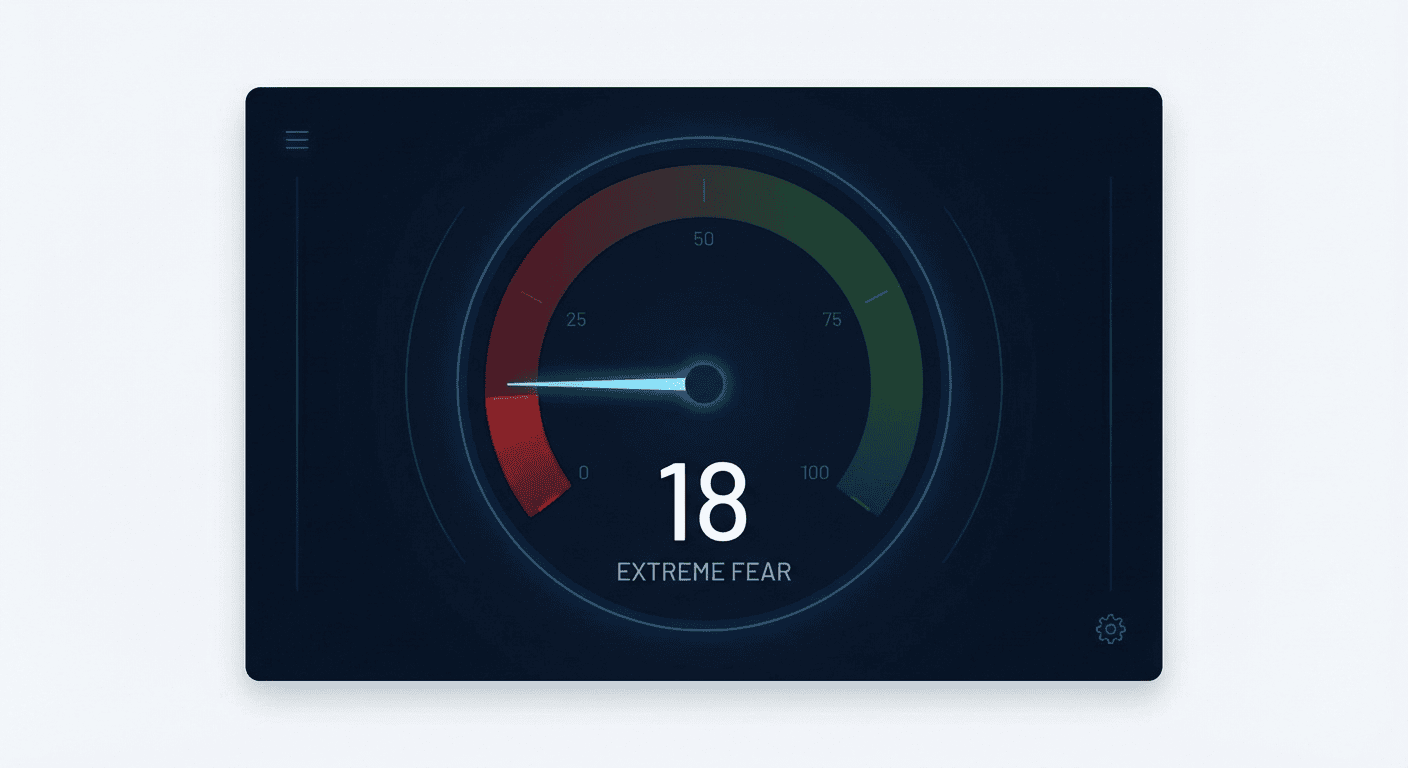
The crypto market weekly recap March 6 2026 opens with a harsh reset in risk sentiment. Bitcoin is trading at $69,083, down 4.71% on the day and roughly 50% below its October 2025 all-time high near $126,000. Ether sits at $2,013, Solana at $85.80, and XRP at $1.37. The Crypto Fear and Greed Index has dropped to 18, firmly in Extreme Fear. After a midweek relief rally, traders are again asking the same question, was this a base-building bounce, or just another pause inside a broader downtrend?
Crypto Market Weekly Recap March 6 2026: Tariff Shock and Macro Risk Keep Pressure on Bitcoin
Markets spent this week digesting fallout from President Trump's 15% global tariff announcement on Feb. 23. That policy headline did not stay isolated to equities or FX. It fed into a wider risk-off move that has now bled through crypto for multiple sessions. Add in unresolved Middle East geopolitical stress, and the macro backdrop has remained openly hostile for high-beta assets.
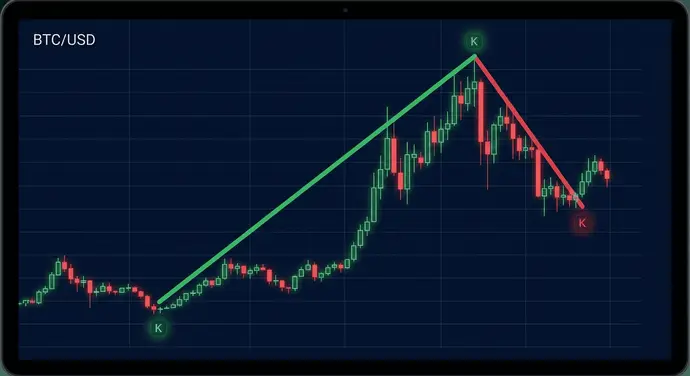
The price path reflected that tension. Bitcoin traded in the $65,000 to $67,000 range early in the week, then ripped toward $74,000 on March 4 and 5, roughly 9% above Feb. 27 lows. By Friday morning, that move had faded back to about $69,000. The pattern mattered more than the absolute level. BTC repeatedly failed to hold above $70,000, a sign that sellers are still active on strength.
Arthur Hayes called this week what many desks were already whispering, potentially a dead cat bounce. His argument is straightforward. Bitcoin remains tightly correlated with U.S. tech, especially the SaaS complex, and that relationship limits crypto's ability to stage a clean independent recovery if equities stay weak. Hayes set a hard line for bulls, a weekly close above $83,737. Until then, he sees rallies as suspect. Hayes may be right, or he may not be. But in this market, dismissing correlation risk has been expensive.
February's backdrop explains why conviction is still fragile. It was one of crypto's worst months since the 2022 bear phase. Six forces piled on at once: tariff escalation, AI-trade stress after Nvidia guidance, $2.5 billion to $3.2 billion in liquidations, ETF net selling, a technical break below the 365-day moving average, and U.S.-Iran tensions. Traders do not forget that setup after one green day.
For context on how sentiment deteriorated across February, revisit last week's crypto market recap and Bitcoin's February recovery attempt.
Trade Volatility With a Clear Risk Plan
In a whipsaw market, disciplined entries matter more than predictions. Start with structured setups and claim up to $5,500 bonus on Bitunix.
Crypto Market Weekly Recap March 6 2026: ETF Selling, On-Chain Withdrawals, and Fear at 18
If price action told one story, flows told another. U.S. spot Bitcoin ETFs have flipped to net sellers in 2026, with redemptions totaling $6.39 billion. That is a sharp contrast to the $1 billion-plus inflow stretches seen during the 2025 bull run. For short-term traders, this is the headline that explains failed breakouts. Passive demand is no longer automatically absorbing dips.
Still, flow data is not one-dimensional. Analysts characterize this phase as deleveraging, not institutional abandonment, and on-chain behavior supports that distinction. Long-term holders pulled 20,000 BTC off exchanges in one week, typically interpreted as a lower near-term sell intent. One set of participants is reducing exposure through ETFs. Another is moving coins into storage. Both can be true at the same time.
Sentiment metrics remain stretched. Fear and Greed at 18 signals stress, not confidence. Historically, readings at this level often align with late-stage panic rather than early-stage euphoria. That does not guarantee a bottom this week or this month. It does frame the market as emotionally exhausted. If you want a deeper read on sentiment behavior in prior drawdowns, see our fear index deep dive.
Bulls are now focused on three datapoints, price acceptance above $70,000, momentum repair, and confirmation above Hayes' $83,737 reversal trigger on a weekly close. Another signal getting attention is RSI. Bitcoin's weekly RSI is around 28, with 2022 bear-market lows near 22. In prior cycles, RSI at these levels has often appeared before meaningful recoveries. Not instantly, but before them.
Regulation, Altcoins, and the Rotation Debate
This week also delivered policy movement. The SEC introduced a proposal clarifying how existing securities laws may apply to certain crypto assets, moving without waiting for Congress. The industry still favors the CLARITY Act route, but the signal is clear, regulatory momentum is building through parallel tracks.
In altcoins, pressure stayed visible. XRP fell about 3% Friday after failing to break $1.45 resistance, with price near $1.37 by morning. The SEC-Tron and Justin Sun settlement headline also hit this week, though it is a separate case from XRP's direct chart structure. Traders treated the failed breakout as the bigger immediate driver.
Ethereum had its own headline risk. Culper Research disclosed a short thesis against ETH through BitMine, Tom Lee's company, citing a potential "death spiral" risk. Whether that thesis plays out is open for debate, but it adds narrative weight to an already cautious tape. In this phase, bearish framing spreads faster than bullish conviction.
At the same time, contrarian desks are watching one odd bright spot, pessimism itself. Santiment data shows "altseason" mentions on social media at a two-year low. Historically, that kind of apathy has sometimes arrived before altcoin rebounds. Not always, and not on schedule, but enough times to keep tactical buyers interested. If you are tracking that signal, this primer on the altcoin season index explained is worth a review.
Outside the U.S., Vancouver offered a reminder that adoption narratives still face legal limits. A mayoral proposal to allocate city reserves to Bitcoin was blocked under city and provincial law. The Vancouver Charter restricts reserves to government debt and bank instruments. In other words, policy appetite alone is not enough when statute says no.
Position for the Next Breakout, Without Overleveraging
Bear phases reward patience and strict sizing. Build a controlled plan now, and claim up to $5,500 bonus when you register on Bitunix.
Bottom Line for Traders Heading Into the Weekend
Bitcoin's drop back to $69,083 after a fast move toward $74,000 captures the week in one chart, reflex rallies are alive, but trend confirmation is missing. ETF redemptions show capital is still defensive. On-chain withdrawals suggest longer-horizon holders are less shaken than headline flow data implies. Fear is elevated. Volatility is not done.
The level that keeps coming up is $83,737 on a weekly close. Until that is reclaimed, bulls are arguing probabilities, not proof. Meanwhile, the gold-to-Bitcoin rotation thesis is attracting fresh attention as macro uncertainty rises. If risk assets stabilize, crypto can catch a bid quickly. If macro pressure worsens, this week's rebound will likely be remembered as temporary relief inside a larger repair process.
That leaves traders with a familiar mandate for March, stay selective, keep leverage controlled, and treat every bounce as data, not destiny.