

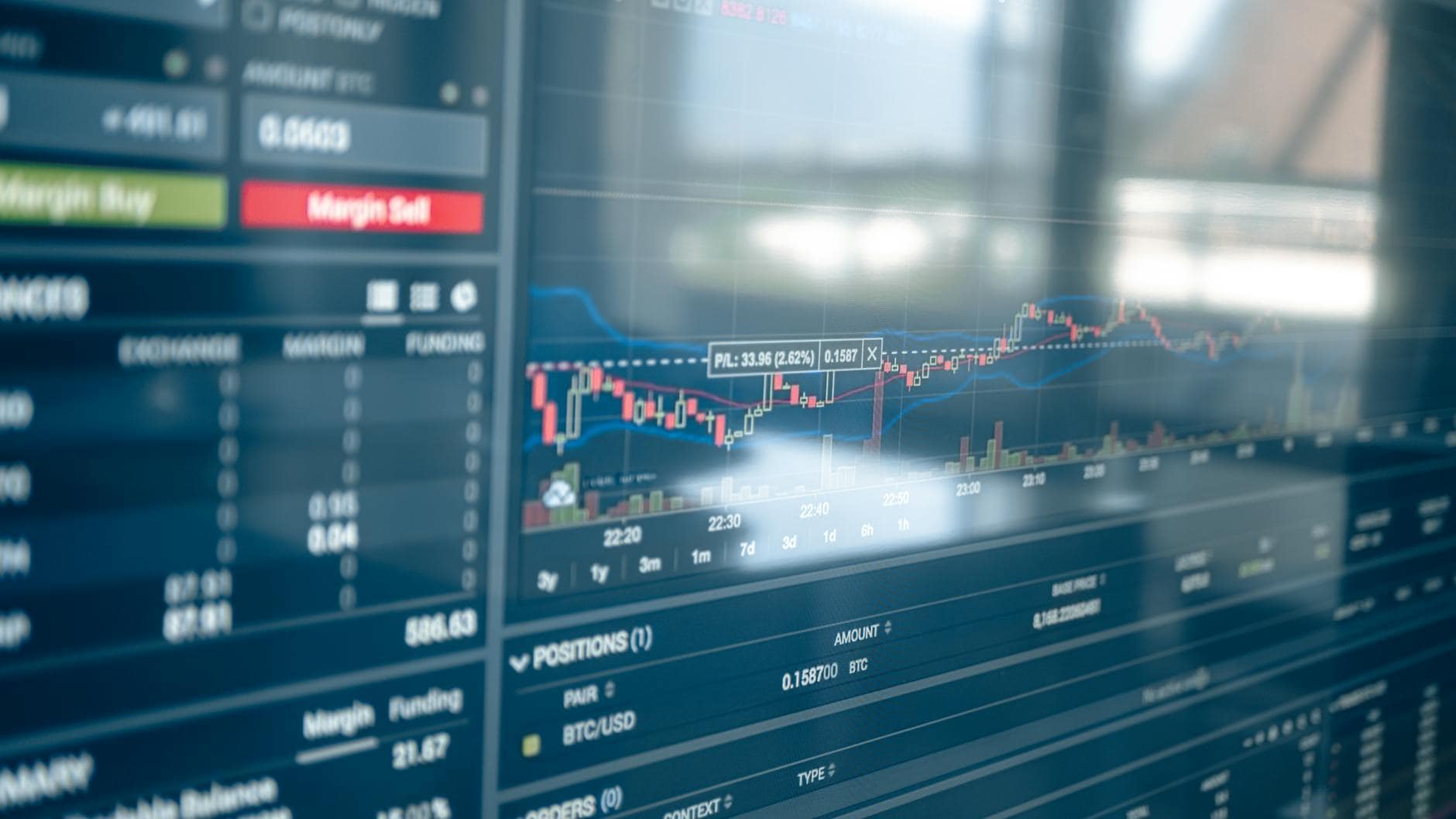

Cross margin vs isolated margin - it sounds like a simple toggle on your exchange, but picking the wrong one can drain your entire account in seconds. Most guides explain what each mode does. This one tells you which to actually use, and when. Understanding the real differences between these two modes is not optional if you trade futures.
Both margin modes serve the same basic purpose: they determine how much collateral backs your open position. But the way they handle that collateral changes your risk profile dramatically. If you trade futures on any exchange, understanding cross margin vs isolated margin is not optional.
Cross Margin vs Isolated Margin - How Each Mode Works
Cross margin pools your entire available balance as collateral for every open position. If one trade moves against you, the exchange automatically pulls funds from your free balance to keep it alive. Your liquidation price sits further away, which sounds great until you realize that a single bad trade can eat through everything you have.
Isolated margin does the opposite. You assign a fixed amount of collateral to each position. If that trade hits liquidation, you lose only what you allocated - nothing more. Your other positions and your remaining balance stay untouched.
Here is a quick breakdown:
Cross Margin:
- Uses full account balance as collateral
- Liquidation price further from entry
- One bad trade can wipe the whole account
- Better capital efficiency across multiple positions
Isolated Margin:
- Fixed collateral per position
- Liquidation price closer to entry
- Losses capped at allocated margin
- Requires manual management of each position
When Cross Margin vs Isolated Margin Actually Matters
The choice between cross margin vs isolated margin matters most in volatile markets - which, in crypto, means always. Here is where each mode shines.
Cross margin works best when:
- You run multiple correlated positions (like long BTC and long ETH) and want shared collateral
- You are hedging - a short on one asset offsets losses on a long position, and shared margin lets unrealized gains from one side protect the other
- You have high conviction on a trade direction and want maximum distance from liquidation
- You actively monitor your portfolio and can close positions before things spiral
Isolated margin works best when:
- You are trying a speculative altcoin trade and want to risk only $200, not your whole stack
- You run uncorrelated positions where one blowing up should not affect the rest
- You are newer to margin trading and want built-in guardrails
- You trade multiple setups simultaneously and want clear risk boundaries per trade
Most experienced futures traders use a combination. They run cross margin on their core conviction plays and isolated margin on speculative or high-risk entries. That hybrid approach gives flexibility without unlimited downside.
Practice Both Margin Modes Risk-Free
Bitunix lets you toggle between cross and isolated margin on every trade. New users get up to $5,500 in bonus funds to test strategies.
The Liquidation Math Behind Cross Margin vs Isolated Margin
Numbers make this clearer. Say you have $10,000 in your futures account and open a $5,000 long BTC position at 10x.
With isolated margin: Your $500 margin backs that single position. If BTC drops roughly 10% (minus fees), you get liquidated and lose $500. Your remaining $9,500 is safe.
With cross margin: Your entire $10,000 balance backs the position. BTC would need to drop far more - close to 100% of your effective margin - before liquidation. But if it does liquidate, you lose everything.
The tradeoff is clear. Isolated margin gives you a tighter stop but protects the rest. Cross margin gives you breathing room but puts the whole account at risk.
This is exactly why proper risk management matters regardless of which mode you pick. The margin mode is just one piece of the puzzle.

Common Mistakes Traders Make With Cross Margin vs Isolated Margin
Running cross margin on high-risk altcoin trades. This is the fastest way to blow an account. A 50x DOGE position on cross margin means a 2% move against you starts eating into your BTC and ETH collateral. One flash crash and your diversified portfolio becomes zero.
Forgetting to add margin on isolated positions. Isolated margin won't auto-draw from your balance. If a trade moves against you and you want to keep it open, you need to manually add margin. Plenty of traders have watched profitable setups get liquidated because they walked away from the screen.
Using the same mode for every trade. Cross and isolated margin exist for different situations. Treating them as a set-and-forget preference instead of a per-trade decision costs money. The best traders in crypto futures adjust their margin mode based on conviction, volatility, and how many positions they have open.
If you are still learning how margin modes work in practice, our beginner futures trading guide walks through the basics step by step.
Cross Margin vs Isolated Margin on Different Exchanges
Every major futures exchange supports both modes, but the implementation varies.
Bitunix makes switching between cross and isolated margin straightforward - you can change modes per trading pair without closing your position. The interface clearly shows your liquidation price and available margin for each mode.
Bitget and Blofin offer similar flexibility. Most exchanges default to cross margin, so if you want isolated protection, you need to actively switch before opening a trade. Changing the mode after you have an open position is not always supported, or may require closing and reopening.
One thing worth noting: on some exchanges, cross margin calculates your liquidation price using only the same-asset balance. On others, it can draw from different coin balances. Read the fine print on your exchange before assuming your entire portfolio is backing your position.
Trade Futures With Full Margin Control
Switch between cross and isolated margin per pair on Bitunix. Up to $5,500 bonus for new signups.

So Which Is Better - Cross Margin or Isolated Margin?
Neither. That is the honest answer. Cross margin vs isolated margin is not a question with one correct response. It depends on:
- Your experience level. Newer traders should default to isolated margin. The built-in loss cap prevents the worst-case scenario while you learn.
- Your position count. Running five positions simultaneously? Isolated keeps risk compartmentalized. Running one high-conviction trade? Cross gives you more room.
- Your risk tolerance. If losing your entire futures balance would seriously hurt you, isolated margin is the safer default.
- Market conditions. In extreme volatility, isolated margin prevents cascade liquidations across your portfolio.
The professional approach: start every trade in isolated margin. Only switch to cross margin when you have a specific reason - like hedging correlated positions or wanting extra liquidation buffer on a well-researched setup.
For a deeper look at how position sizing works with different margin modes, check our futures position sizing calculator guide.
The Bottom Line
Cross margin vs isolated margin is one of the most important settings on your futures trading screen, and most traders never think about it past their first trade. Cross margin gives you flexibility and capital efficiency at the cost of total account risk. Isolated margin gives you protection and clarity at the cost of tighter liquidation levels.
The smartest traders use both. They think about margin mode the same way they think about position size - as a risk management decision that changes with every trade.
Pick the mode that matches your conviction, your risk tolerance, and the specific trade you are making. Not the one you used last time.