

Crypto leveraged ETF products are built for traders who want amplified exposure without opening a futures account, but the trade is less simple than the ticker makes it look. With Bitcoin near $63,856, Ethereum near $1,723, and the Crypto Fear & Greed Index at 23, or Extreme Fear, the current tape is a useful reminder: leverage does not merely make a crypto bet bigger. It changes the math of the holding period.
A 2x Bitcoin or Ether fund can look cleaner than margin, perpetual futures, or borrowing against a brokerage account. It trades like an ETF. It can sit inside an ordinary brokerage platform. Losses generally stop at the capital placed into the fund. That convenience is real. So is the catch. Most leveraged ETFs are designed to target a multiple of a single day's return, not a month, a quarter, or a full cycle.
That daily reset is where many traders get clipped. The fund can be directionally right and still disappoint if the market chops around. Crypto is already volatile. Add daily leverage, futures rolls, fees, spreads, and compounding, and a product that looks like a simple bullish vehicle becomes a tactical instrument that needs active risk control.
Crypto leveraged ETF basics: daily leverage, not long-term leverage
A crypto leveraged ETF uses derivatives, futures, swaps, or other instruments to target a multiple of the daily move in a crypto benchmark. A 2x Bitcoin-linked fund is designed to deliver roughly twice Bitcoin's daily performance before fees and expenses. If the benchmark rises 1% in a day, the fund aims for about 2%. If the benchmark falls 1%, the fund aims for about negative 2%.
The important word is daily. The U.S. Securities and Exchange Commission has warned that leveraged and inverse ETFs often reset each day, so their longer-period returns can differ sharply from the stated multiple of the benchmark. That warning matters even more in crypto, where a 5% intraday move can be normal and liquidity conditions can change fast.
Volatility Shares describes its BITX product as a 2x Bitcoin Strategy ETF that seeks twice the daily performance of Bitcoin for a single day, not for any other period. ProShares makes a similar point in its own leveraged Bitcoin ETF education material: the vehicle can magnify exposure, but the investor still has to understand how the structure behaves.
That distinction separates a crypto leveraged ETF from a spot Bitcoin ETF. A spot fund is mainly a price-access wrapper. A leveraged fund is an active trading tool. It is closer in spirit to a futures position with packaged mechanics than to a passive allocation. Traders comparing the two should also read our guide to crypto derivatives trading, because the same funding, margin, and liquidation instincts carry over even when the ETF itself does not liquidate like a perpetual contract.
Trade Leverage With a Plan
Bitunix gives active crypto traders futures tools, risk controls, and up to $5,500 in new-user bonuses.
Why a crypto leveraged ETF can lag the simple 2x math
The problem is compounding. Suppose Bitcoin rises 5% one day and falls 5% the next. A simple two-day read might make that feel close to flat. It is not. The second day's loss applies to a different base. A 2x fund magnifies each daily move, then resets its exposure again. In a smooth trend, compounding can help. In a choppy market, it can grind against the holder.
This is why a leveraged fund can be useful for a short, high-conviction view and still be a poor place to park capital. The fund does not promise twice Bitcoin's monthly return. It promises a daily objective. Over time, the gap between what a trader expects and what the fund delivers can widen, especially during high volatility.
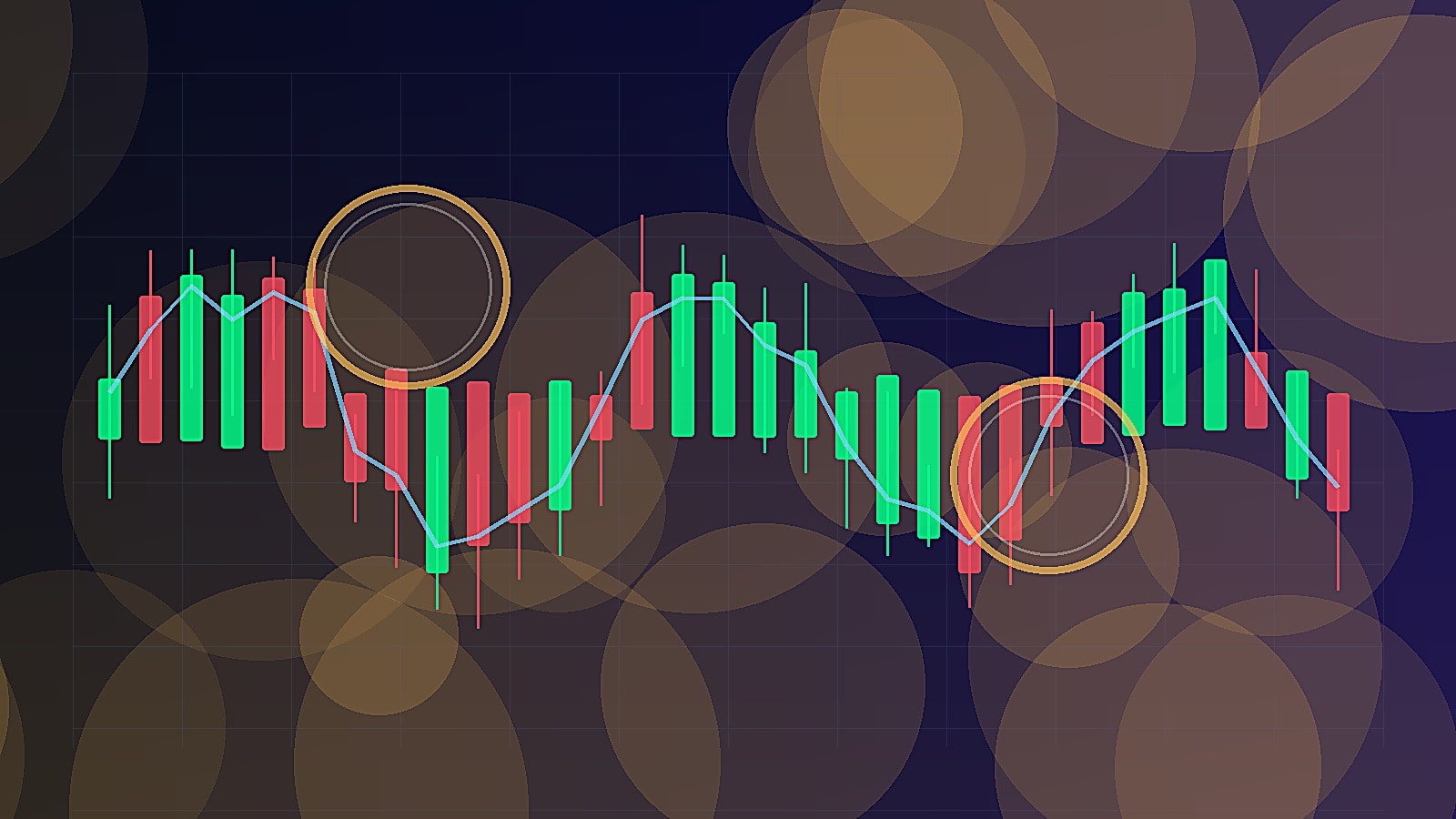
Crypto also brings a second layer of complexity. Many leveraged crypto ETFs use futures exposure rather than spot coins. Futures markets have rolls, curve shape, collateral yield, and liquidity costs. Those are not always visible in a simple price chart. When Bitcoin or Ether trades nervously, the expense of maintaining exposure can matter almost as much as the direction of the next candle.
For traders already using futures, none of this should feel mysterious. It is the same conversation around position size, invalidation, and market regime. Our crypto scalping strategy guide makes the same point from another angle: fast exposure only works when the trade has a defined exit and costs are included up front.
Crypto leveraged ETF risk is highest when the market chops
Leveraged ETFs attract attention after clean breakouts. The harder part is the middle, when Bitcoin or Ether swings both ways and closes the week near where it started. That is where daily reset math can punish lazy positioning. A trader can be right about the broad range and still lose money holding a leveraged fund through the noise.
The current market context is not friendly to casual leverage. Bitcoin is still far below its 52-week high in the Yahoo Finance data, Ethereum is deeper into its own drawdown, and fear readings remain elevated. That does not mean a bounce cannot happen. It means the market is pricing stress, and stressed markets tend to widen the distance between a good entry and a survivable entry.
FINRA has also warned that leveraged and inverse exchange-traded products can create tax and holding-period surprises because daily resets may lead to short-term gains or other consequences. Tax is not the main reason traders buy these funds, but it is another reason they belong in the active-trading bucket rather than the set-and-forget bucket.
There is also a behavioral trap. A crypto leveraged ETF can feel safer than an exchange futures account because there is no visible liquidation price. That can lead traders to oversize. The risk does not disappear. It moves into fund drawdown, volatility decay, tracking difference, and the temptation to average down because the position sits inside a familiar brokerage screen.
How traders should use a crypto leveraged ETF
The cleanest use case is a short-term directional trade where the trader already knows the trigger, invalidation level, and maximum loss before entering. If the plan is "Bitcoin should break above this level today or tomorrow," a leveraged ETF can express that view without managing a futures wallet. If the plan is "crypto will probably be higher this cycle," a spot ETF, spot coin position, or smaller unlevered allocation is usually the cleaner tool.
Position sizing should be smaller than the trader's normal spot exposure. That sounds obvious, but it is where many mistakes start. A 2x product means a half-size position may already carry full directional exposure. Traders should also check volume, spread, expense ratio, underlying exposure, and whether the ETF tracks spot, futures, equities tied to crypto, or a narrow single-asset benchmark.
Risk controls matter more than product branding. A trader using a crypto leveraged ETF should define the time limit as clearly as the price limit. If the trade thesis depends on momentum and the move does not arrive, holding longer can turn a failed trade into a slow bleed. The fund is not broken when that happens. It is doing what the prospectus said it would do.
For traders who want to understand the mechanics before placing real money, a simulated setup can help. Our guide to the Binance futures testnet is not about ETFs directly, but it teaches the habit that matters here: test leverage behavior before relying on it in a live market.
Keep the Leverage Outside the Guesswork
Use Bitunix for active crypto trades with clear entries, exits, and up to $5,500 in bonus offers for eligible new users.
Bottom line on crypto leveraged ETF products
A crypto leveraged ETF is neither a scam nor a magic shortcut. It is a sharp instrument. Used for a defined trade, it can give regulated, brokerage-based access to amplified Bitcoin or Ether exposure. Used as a lazy long-term bet, it can behave nothing like the simple 2x chart in a trader's head.
The rule is blunt: match the product to the time frame. Daily-reset leverage belongs to daily or very short-term views. If the thesis needs weeks or months to play out, the trader should think twice before paying the compounding cost. In crypto, being early and overleveraged often feels the same as being wrong.