


Crypto Market Weekly Recap April 3 2026: Bitcoin Clings to $67K as Extreme Fear and Oil Shock Keep Traders on Edge
Crypto market weekly recap April 3 2026 starts with a market that still looks bruised. Bitcoin was trading near $66,948 on Friday morning, ether sat around $2,053, and the Fear & Greed Index was pinned at 9, deep in extreme fear territory. That combination tells the story pretty well. Traders are not dealing with one clean catalyst. They are trying to price a mix of geopolitical risk, higher oil, sticky inflation worries, and a weekend that will temporarily shut off a chunk of the institutional flow that has helped support bitcoin in recent months.
This week did not produce a full-scale washout, but it did reinforce how fragile the tape still is. Bitcoin spent much of the week slipping back toward the mid-$60,000s, ether underperformed, and derivatives markets leaned decisively bearish. At the same time, solana and XRP held up better on a relative basis, which is worth noting even if it does not change the bigger picture. For readers who want the prior setup, our crypto market weekly recap from March 27 captured the last round of defensive positioning before this latest macro hit arrived.
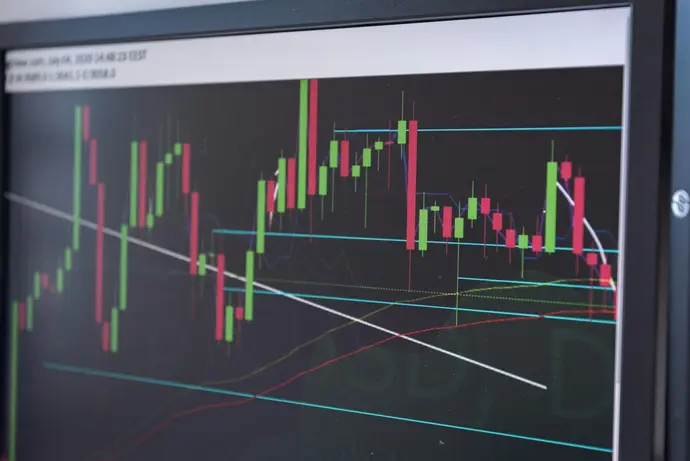
Crypto market weekly recap April 3 2026 shows macro pressure back in control
The biggest shift this week came from outside crypto. Renewed Iran-related war headlines pushed oil sharply higher, with Brent crude jumping toward $108 per barrel at one point. That mattered because it hit risk appetite everywhere at once. Stocks sagged, the dollar firmed, and traders had another reason to doubt the clean rate-cut story that helped fuel intermittent crypto rebounds earlier this year.
CoinDesk reported that bitcoin and ether both sold off alongside broader risk assets as traders piled into bearish futures positions. Liquidations across crypto futures approached $400 million during the sharpest leg lower, yet options markets did not show the kind of panic that usually marks a true capitulation. That is a subtle but important distinction. This looked more like aggressive short positioning and systematic de-risking than blind fear. Markets were weak, but they were still orderly.
Friday's stronger-than-expected U.S. jobs report added to that tension. A labor market that keeps printing decent numbers makes it harder for traders to confidently price near-term Fed relief, especially after inflation-sensitive data points have stayed firm. In other words, macro did not merely nudge crypto this week. It sat in the driver's seat.
Trade volatile crypto markets with tighter control
If this kind of headline-driven week has you looking for better execution, Bitunix offers futures access plus up to $5,500 in bonus rewards for new users.
Bitcoin demand looks thinner than the ETF headlines suggest
One of the more interesting details from the week came from the gap between institutional buying and overall apparent demand. CoinDesk cited CryptoQuant data showing 30-day apparent bitcoin demand near negative 63,000 BTC even as ETF purchases climbed to roughly 50,000 BTC over the same period and Strategy added about 44,000 BTC. That is not the setup you want to see if you are hoping every dip gets rescued by automatic institutional demand.
The problem is not that ETF flows stopped mattering. It is that they no longer tell the whole story. Large holders have reportedly moved into net distribution, U.S. spot demand has looked soft, and the market remains vulnerable when the marginal buyer steps back. That context matters even more heading into a holiday weekend, because Good Friday pauses CME futures and ETF creation activity. A market that has leaned on macro-driven institutional support now has to trade without a major stabilizer for a stretch.
That leaves bitcoin in an awkward spot. Support around $65,000 is still the level many traders are watching, while relief rallies may struggle if price drifts back into the broad resistance zone above roughly $71,500. It does not mean a breakdown is guaranteed. It does mean the upside case needs fresh demand, not just hope.
If you are still learning how to read this kind of range-bound tape, our guide on how to read crypto charts is a useful place to start. For sentiment context, revisit our piece on the crypto fear and greed index at historic lows. The current mood looks less dramatic than that episode, but the same defensive instincts are showing up again.

Ether lagged while solana and XRP showed relative strength
Ether once again looked softer than bitcoin. ETH hovered near $2,053 on Friday after taking a steeper hit during the week, and the bearish tilt in ether derivatives stood out. Funding rates in ether futures turned especially negative, which suggests traders were more comfortable leaning short there than in some of the large-cap alternatives.
By contrast, solana and XRP posted modest 24-hour gains by Friday morning, with SOL around $80.51 and XRP near $1.32. That does not erase their weekly volatility, but it does suggest traders were willing to rotate into pockets that looked oversold or less directly tied to the ETF narrative. Solana also managed to avoid a full collapse in sentiment even after security concerns grabbed headlines earlier in the week, which says something about how quickly this market moves from panic to selective bargain hunting.
Still, altcoins are not operating in a vacuum. CoinMarketCap's altcoin season gauge reportedly slipped this week, and the broader pattern remains familiar. When bitcoin looks unstable and macro headlines get louder, altcoins can bounce sharply for a day or two, but sustained leadership is harder to trust. Anyone trying to front-run a full alt rotation should probably keep our altcoin season index explainer nearby instead of assuming every green candle marks the start of a new cycle.
What traders should watch into the weekend
The weekend checklist is straightforward, even if the market is not. First, watch whether bitcoin can hold the mid-$60,000s without the usual ETF and CME-related support. Second, keep an eye on oil and geopolitical headlines because crypto has been reacting to them almost immediately. Third, pay attention to whether futures positioning eases. Deeply negative funding can set up sharp countertrend bounces, but only if sellers start getting crowded.
There is also a longer-term tension worth keeping in view. Grayscale argued this week that stablecoin and tokenization adoption trends remain intact despite the macro noise, with stablecoin supply still sitting around $315 billion after strong growth through 2025. That does not help traders looking for a clean weekend rally, but it does support the idea that crypto's structural story has not vanished just because this quarter feels messy.
Position for the next move without chasing noise
When the market gets jumpy, execution matters. Bitunix gives active traders another venue to manage risk and access up to $5,500 in bonus offers.
For now, the cleanest read is that crypto is still in a defensive regime. Bitcoin is holding up better than a lot of traders expected, but not well enough to dismiss the downside risk. Ether looks heavy. Altcoins remain tactical trades, not obvious long-term leadership. And with fear back near extreme levels, the market is vulnerable to both another flush lower and a violent squeeze higher if shorts get too comfortable.

The bottom line from this crypto market weekly recap April 3 2026 is simple: traders head into the weekend with fragile support, weak conviction, and no shortage of catalysts. That usually means price can travel further than consensus expects in either direction. Caution still makes sense, but so does staying alert if conditions shift fast.