

Crypto arbitrage bots still attract traders in 2026 because the idea sounds simple: buy on one venue, sell on another, and pocket the spread. The reality is tighter than the pitch. With Bitcoin trading near $66,741, Ethereum near $2,026, and the Crypto Fear and Greed Index sitting at 12, markets are nervous, liquidity is thinner in some pairs, and small price gaps disappear fast. That does not make crypto arbitrage bots useless. It does mean anyone expecting easy money is already behind.
The modern question is not whether crypto arbitrage bots exist. It is whether your setup can beat fees, transfer delays, slippage, and exchange risk often enough to matter. For most retail traders, that answer is a lot less exciting than bot marketing makes it sound.

What crypto arbitrage bots actually do
Crypto arbitrage bots scan markets for pricing mismatches and then try to execute trades before the gap closes. The most common setups fall into three buckets.
- Cross-exchange arbitrage - Buy an asset on one exchange and sell it on another where the price is higher.
- Triangular arbitrage - Cycle through three pairs on the same exchange, such as BTC/USDT, ETH/BTC, and ETH/USDT, if the math briefly goes out of line.
- Funding or basis arbitrage - Capture differences between spot and futures pricing or between funding payments across venues.
That sounds clean on paper. In practice, most of the edge comes from execution quality, capital placement, and realistic assumptions. Traders who have not already worked through how crypto futures actually work usually underestimate how quickly a spread can vanish.
Need fast execution for active arbitrage setups?
A crypto arbitrage bot is only as good as the exchange underneath it. Bitunix gives active traders deep futures access plus up to $5,500 in bonus offers for new users.
Why crypto arbitrage bots got harder in 2026
Crypto arbitrage bots are competing in a tougher market than they were a few cycles ago. Spreads still appear, but they are usually smaller, more crowded, and less forgiving. Several things changed.
First, exchange infrastructure is better. More firms and more bots are watching the same pairs, so obvious mispricings do not sit around. Second, fee drag matters more than most dashboards admit. A spread that looks profitable before taker fees, borrow costs, withdrawal costs, and slippage can turn negative in seconds. Third, transfer risk still kills cross-exchange trades. If capital is not pre-positioned on both venues, the opportunity is often gone before the asset arrives.
This is why many traders now favor same-venue or pre-funded approaches over the old fantasy of chasing random price gaps across the market. If you are still learning the basics, our guide on how to trade crypto is a better starting point than plugging money into a bot you do not understand.

Where crypto arbitrage bots still make sense
There are still situations where crypto arbitrage bots can be useful. The point is to be honest about what kind of opportunity you are targeting.
Pre-funded cross-exchange setups can work when you already hold capital on multiple venues and can hit both legs quickly. This avoids waiting on transfers, which is where many retail strategies fall apart.
Triangular arbitrage is attractive because it can happen inside one exchange, which removes blockchain transfer delays. But the window is tiny, and execution has to be precise. A missed leg can turn a market-neutral idea into a directional position fast.
Funding arbitrage may be more realistic for disciplined traders than classic spread chasing. When funding becomes stretched, some traders hedge spot against futures or offset exposures across venues. It is not free money, but it can be more systematic than hunting random dislocations. If that part of the market is new to you, read our breakdown of funding rate arbitrage in crypto.
The through line is simple: crypto arbitrage bots work better when the strategy removes avoidable friction. They work worse when the entire plan depends on perfect timing, invisible fees, and exchange behavior you cannot control.
The real risks most bot sellers gloss over
The biggest problem with crypto arbitrage bots is not that they never find opportunities. It is that many traders misread gross spreads as net profit.
- Fees - Taker fees, borrowing costs, funding, and withdrawal charges can wipe out thin edges.
- Slippage - A quoted spread may only exist for a tiny size. Push more volume and the edge disappears.
- Latency - Even a short delay in API response or order routing can turn a profitable trade into a loss.
- Partial fills - If one leg fills and the other does not, you are suddenly exposed to market direction.
- Exchange risk - The venue itself may halt withdrawals, lag during volatility, or widen spreads when you need liquidity most.
- Security risk - Bots need API access, and careless permissions can create a much bigger problem than a bad trade.
That last point is not theoretical. Anyone running automated systems should understand the basics of crypto wallet and account security before handing an external service trading permissions.
Testing a crypto arbitrage bot? Control the risk first
If you are experimenting with automated trading, start small, keep permissions tight, and use a venue built for active derivatives traders. New Bitunix users can claim up to $5,500 in bonus offers.
How to evaluate crypto arbitrage bots before risking capital
If you are comparing crypto arbitrage bots, skip the revenue screenshots and ask harder questions.
- Does the backtest include fees, slippage, and failed executions? If not, it is incomplete.
- Can the strategy explain where the edge comes from? "AI finds opportunities" is not an explanation.
- Do you need pre-funded balances on multiple exchanges? Many viable setups do.
- What happens when one leg fails? Good systems define the failure path before the first trade.
- How much API access are you giving away? Disable withdrawals and use the minimum permissions required.
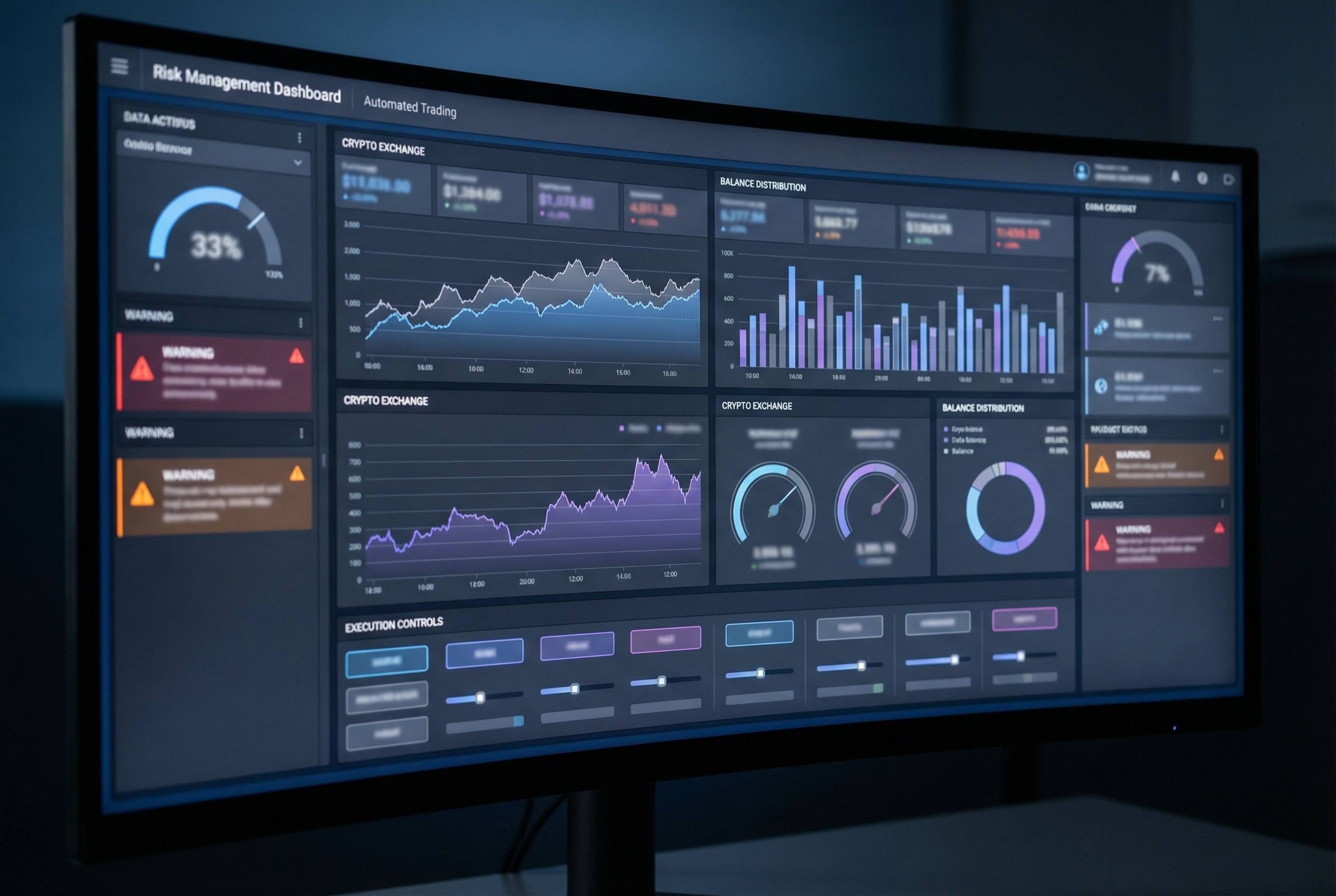
- Can you monitor position sizing and exposure? If not, you should not automate it yet.
That same discipline matters across every systematic strategy. Our guide to a crypto futures position sizing calculator is worth reading because bad sizing destroys more accounts than bad ideas do.
Bottom line on crypto arbitrage bots
Crypto arbitrage bots are not dead, but the easy version is. In April 2026, with Bitcoin near $66.7K, Ethereum near $2K, and sentiment still stuck in extreme fear, traders have to be far more selective about where real edge still exists. The strongest setups are usually narrow, operationally demanding, and realistic about costs. The weakest ones are sold as passive income machines.
If you know your execution stack, understand the fee structure, and can keep risk controlled when one leg misfires, crypto arbitrage bots can still be useful tools. If you are hoping a dashboard will print low-risk returns while you sleep, you are shopping in the wrong aisle.