

Altcoin season chart: how traders read the rotation after bitcoin's latest rebound
If you have been watching the altcoin season chart lately, the signal is still mixed. Bitcoin is trading near $69,348, Ethereum is near $2,144, and the Fear and Greed Index sits at 13, which still counts as extreme fear. That combination matters. Bitcoin has bounced, but broad risk appetite has not fully returned, which is exactly why many traders are checking rotation tools before they start chasing smaller coins.
The altcoin season chart is useful because it gives you a fast read on whether the market is rewarding beta. It is less useful when people treat it like a magic switch. In real conditions, altcoin runs usually build in stages. Bitcoin stabilizes first, Ethereum starts to outperform, and only then do traders move farther out the risk curve into mid-caps, meme coins, and thinner narratives.
Right now, that sequence looks incomplete. The market has some life, but it does not look like the kind of broad-based sprint that defines a clean alt season. That makes this a good moment to understand what the chart is actually measuring and where it tends to fool people.
What the altcoin season chart actually measures
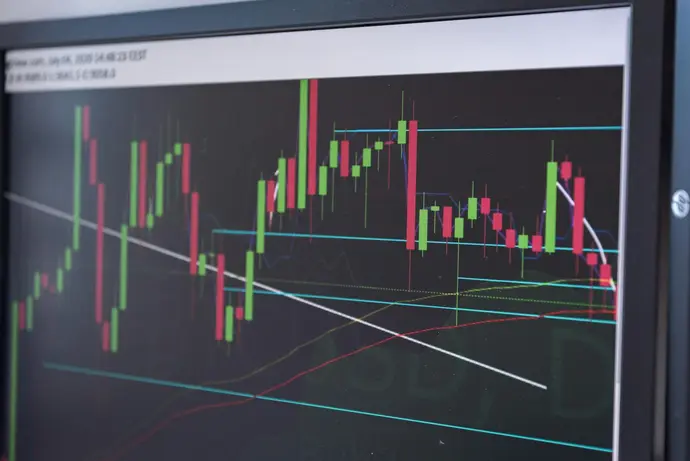
The basic idea behind an altcoin season chart is simple. Most versions compare how a basket of altcoins performed against bitcoin over a rolling period, usually 90 days. A widely cited methodology classifies it as altcoin season when 75% of the selected basket outperforms BTC over that window. If only a small minority beats bitcoin, the market is closer to bitcoin season.
That sounds clean, but there are multiple versions in the wild. Some trackers use the top 100 assets. Others use the top 50. Most exclude stablecoins and wrapped assets. The exact list matters because performance can look very different depending on whether the basket is heavy on majors like ETH and SOL or stuffed with smaller high-beta names.
So the altcoin season chart is best treated as a scoreboard, not a prophecy. It tells you what has already happened across a broad basket. It does not guarantee the next phase is about to start.
For traders who want context, it helps to compare the chart with broader market structure and with tools like our guide to the altcoin season index. That gives a better frame than staring at one number in isolation.
Why bitcoin dominance still matters when the altcoin season chart turns up
The biggest mistake people make with an altcoin season chart is ignoring bitcoin dominance. Rotation rarely starts with random altcoins exploding out of nowhere. More often, bitcoin leads the market higher, absorbs the first wave of capital, and then starts to cool as traders hunt for higher upside elsewhere.
When bitcoin dominance is rising hard, the chart can stay suppressed even if a few altcoins are catching bids. That usually means the market still trusts BTC more than the rest of the complex. When dominance flattens or starts to fade while ETH strengthens, conditions often improve for broader rotation.
That is why Ethereum still deserves special attention. In many cycles, ETH is the bridge trade between bitcoin leadership and full altcoin speculation. If ETH cannot lead, it is much harder for the lower-cap part of the market to sustain momentum. If ETH does lead, the altcoin season chart often follows with a lag.
Anyone trading this rotation should also pay attention to execution risk. Thin order books and leverage can turn a good macro call into a bad trade. Our breakdown of how to avoid liquidation in crypto leverage trading is worth reviewing before you size up into faster altcoin moves.
Trade altcoin rotation with tighter execution
When the altcoin season chart starts moving, speed matters. Bitunix gives active traders a shot at fast entries plus up to $5,500 in bonus offers.
How traders use the altcoin season chart without getting trapped
A smart way to use the altcoin season chart is to treat it as confirmation, not a trigger. If you already see improving breadth, stronger ETH performance, rising perpetual volume outside BTC, and better price structure across majors, then a stronger chart reading adds confidence. If you have none of that, the chart alone is not enough.
Another problem is timing. Because most versions use a 90-day lookback, the indicator can stay hot after the best part of the move is already behind you. Traders who pile in only because the reading looks strong may be arriving late, right when early buyers are taking profit.
That is one reason I still like pairing the chart with position-level discipline. If you are rotating into altcoins, define the trade before the market gets emotional. Know whether you are buying majors like ETH and SOL, higher-beta themes, or pure speculation. Each bucket behaves differently when volatility comes back.
For newer traders, the safer move is usually to start with liquid names and smaller size. Our crypto day trading guide for 2026 covers the kind of risk control that matters more than any single market indicator.
What the altcoin season chart misses in the current market
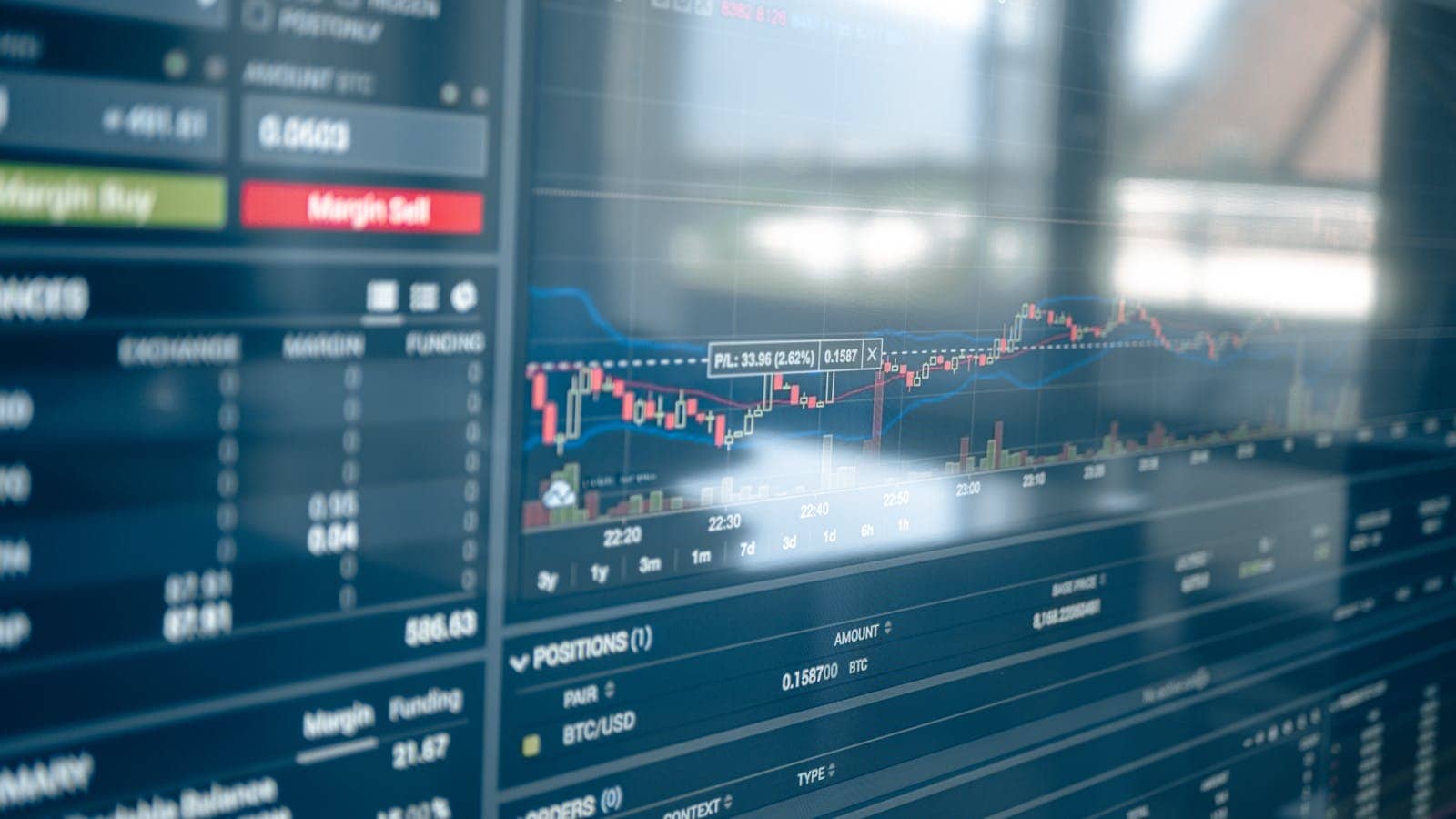
Every altcoin season chart has blind spots. First, it only captures price performance relative to bitcoin. It does not tell you whether returns were driven by real spot demand, a short squeeze, exchange-specific flows, or a brief meme mania that vanished a week later.
Second, index composition can distort the message. If the basket excludes certain names or overweights others, the reading may not match what traders are seeing in their own watchlists. That is especially true when the market is being led by a narrow cluster of sectors like AI tokens, meme coins, or exchange tokens.
Third, macro still matters. With fear still elevated, traders are more selective. A reading that would have triggered reflexive dip-buying in a loose liquidity regime may not have the same effect when rates, regulation, or cross-asset stress are hanging over the market.
That is why this setup still looks more like an early rotation watch than a confirmed broad alt season. Bitcoin's rebound is constructive. Ethereum's move helps. But with fear still extreme, traders should assume fragility until the tape proves otherwise.
Need a cleaner way to trade the next altcoin push?
If the altcoin season chart keeps improving, Bitunix gives you a simple futures setup, liquid pairs, and up to $5,500 in bonus offers to work with.
How I would read the altcoin season chart this week
If I were using the altcoin season chart as part of a trading dashboard this week, I would read it as a cautionary positive. The market is no longer as one-sided as it was during the worst of the recent selloff. Bitcoin has recovered enough to pull sentiment off the floor, and Ethereum is showing better energy than it had a few weeks ago.
Still, the Fear and Greed Index at 13 says traders have not flipped back to confidence. That matters. Real alt seasons usually come with broader participation, cleaner momentum, and a market that wants to reward risk. We are not fully there yet.
The better posture is to stay selective, track bitcoin dominance daily, and watch whether ETH keeps attracting relative strength. If those pieces improve together, the altcoin season chart becomes more than an interesting datapoint. It becomes confirmation that capital is finally rotating across the board.
If you want more context on where crypto may be heading from here, our look at the future of crypto over the next five years is a useful companion read.
Related Reading
- Altcoin season 2025: what happened and when the next cycle starts
- Best altcoin pairs to trade on Bitunix
- Crypto market weekly recap April 3 2026
Market data referenced in this article was checked on April 6, 2026 during the early U.S. session.