

Crypto trading tools are no longer optional for anyone trying to survive a 24/7 market. With Bitcoin trading near $77,672, Ethereum around $2,314, and the Crypto Fear and Greed Index at 47 (Neutral) at the time of writing, the problem in 2026 is not access to information. It is filtering noise fast enough to make a decent decision. Traders now juggle charting platforms, screeners, risk calculators, execution dashboards, and portfolio trackers just to keep up.
The best crypto trading tools do not magically create edge. They reduce blind spots. In a market like this, that matters more than one more loud macro call on the timeline. A solid charting setup helps you read structure. A screener helps you notice where volume is moving. A position sizing tool keeps one bad idea from wrecking the account. Put differently, the tool is not the trade. It is the layer between impulse and process.
That distinction matters right now. The market is no longer in panic mode, but a neutral sentiment reading still tells you conviction is uneven and traders are still quick to hit the eject button when momentum stalls. Bitcoin and Ether can hold steady while altcoins swing far harder underneath the surface. In that kind of tape, traders who rely on a single app usually end up late, overleveraged, or both.
Crypto trading tools for charting and market structure
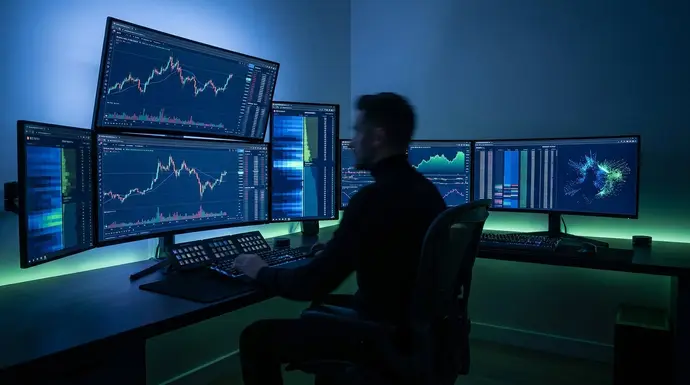
The first category of crypto trading tools is charting. This is where traders map support and resistance, track trend shifts, and watch momentum. If you have read our guide to crypto technical analysis, you already know the point is not to draw random lines until a chart looks smart. Good charting tools help traders answer a simple question: what is price actually doing right now?
In practice, traders use charting platforms to monitor candlestick structure, volume, moving averages, RSI, open interest overlays, and market sessions. Some focus on spot charts. Others spend most of their time on perpetual futures pairs where funding, liquidations, and leverage flows can distort short-term moves. That is one reason understanding perpetual futures has become part of the standard toolkit.
The limitation is obvious. Charts are descriptive before they are predictive. A clean setup can fail in seconds when macro headlines hit or when a crowded trade unwinds. Charting tools are useful because they keep a trader organized, not because they remove uncertainty.
Need a cleaner place to test advanced setups?
If your crypto trading tools point to a futures opportunity, Bitunix gives active traders deep derivatives access and up to $5,500 in bonus offers.
Crypto trading tools for screening, scanning, and idea generation
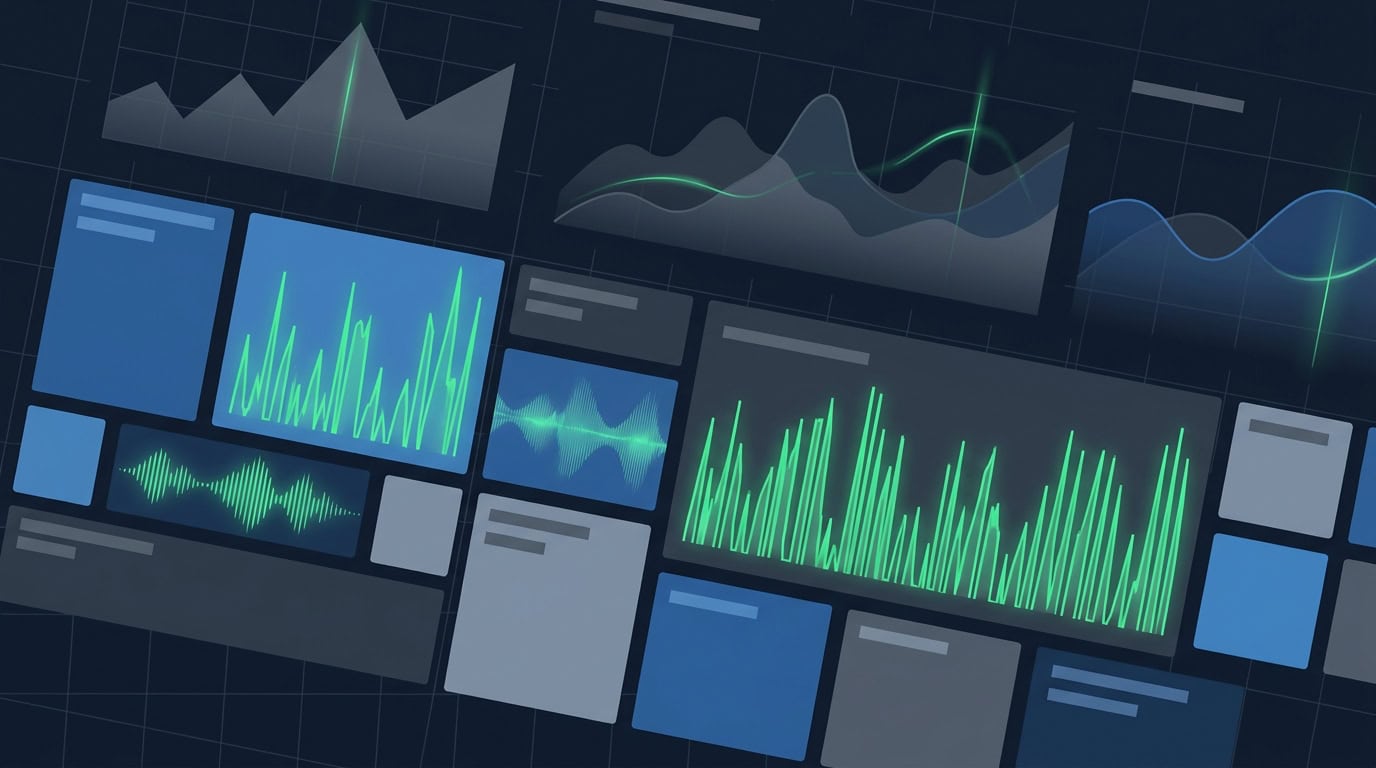
The second bucket of crypto trading tools is scanning. These tools sort through hundreds or thousands of pairs to find unusual moves in price, volume, funding, or relative strength. Without them, traders are basically refreshing watchlists and hoping the obvious opportunity lands on the screen.
A scanner can surface breakout candidates, oversold names, sudden volatility spikes, or unusual basis changes between spot and futures markets. The useful part is not seeing more data. It is seeing the shift before Crypto X decides it was obvious all along. This is especially useful in crypto because rotation happens fast. On a day when Bitcoin trades flat, smaller names can still produce violent moves. A trader who only watches BTC and ETH will miss most of that action.
Some of these crypto trading tools are built for directional trading. Others are built for market-neutral setups. An example is the workflow behind a crypto arbitrage scanner, where the goal is not predicting the next narrative but identifying temporary pricing gaps across venues. Another example is a funding dashboard that supports funding rate arbitrage by tracking when perpetual positioning becomes too crowded on one side.
The risk here is false urgency. Screeners are good at making everything look tradeable. A list of coins with rising volume is not a strategy. It is just a list. Traders still need filters for liquidity, slippage, market regime, and whether the move is already extended.
Crypto trading tools for risk management and execution
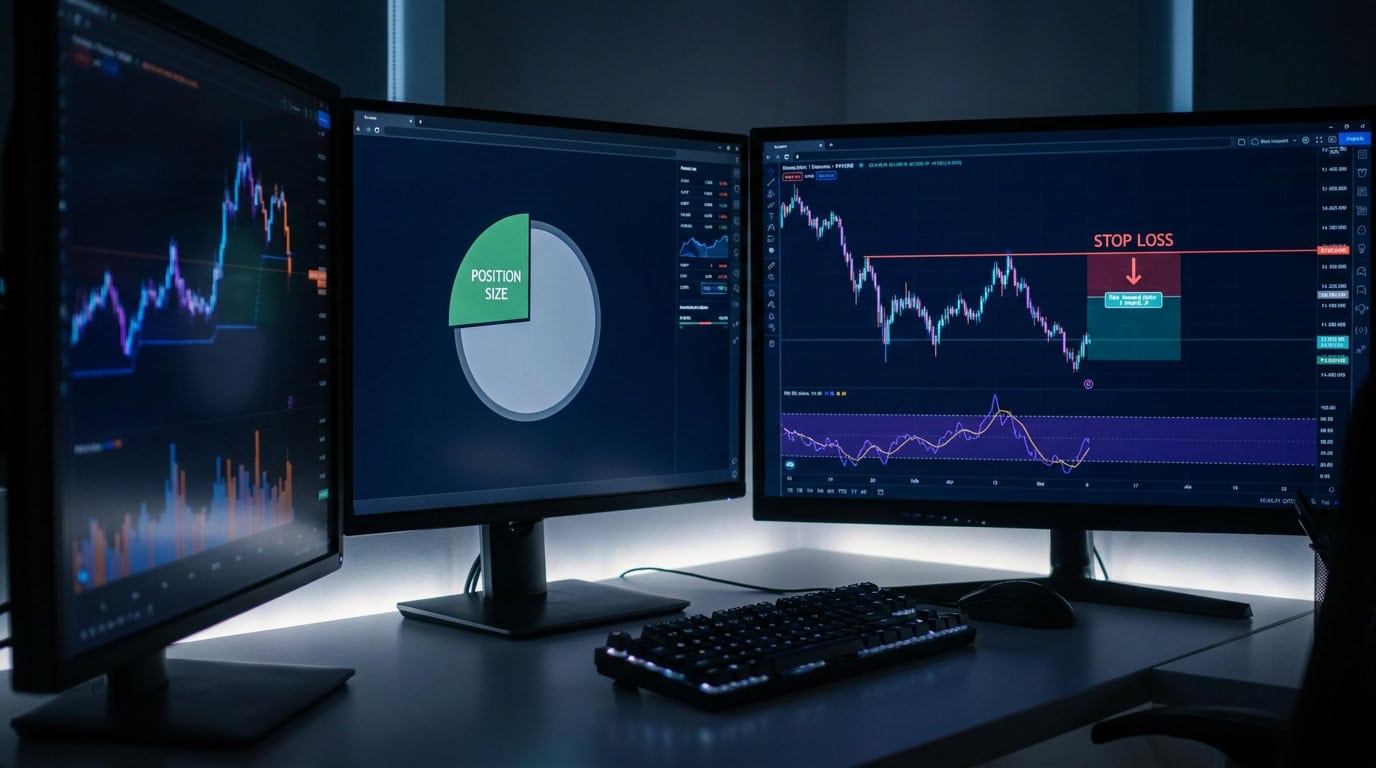
The most underrated crypto trading tools are the ones that save traders from themselves. Position sizing calculators, liquidation estimators, journal software, alert systems, and execution panels all live in this category. They are not glamorous, which is probably why so many retail traders skip them right until they need them.
A risk tool should answer a few non-negotiable questions before a trade goes live: how much of the account is at risk, where the trade is wrong, what leverage does to liquidation distance, and whether the setup is even worth the expected slippage and fees. If you are trading perpetuals, tools like a crypto futures position sizing calculator matter more than one more momentum indicator.
Execution tools matter too. Fast order entry, bracket orders, stop-loss placement, and mobile alerts all help traders stick to the plan once the market starts moving. That is also why many beginners are better off starting with a crypto trading simulator before moving to live capital. Practice reveals weak process much faster than theory does.
The trade-off is that advanced execution dashboards can make reckless trading easier. A polished interface is still dangerous in the hands of someone chasing losses. Good tools increase control. They do not supply discipline.
Crypto trading tools for tracking performance after the trade
Another category of crypto trading tools comes after execution. Portfolio trackers and trading journals help traders review what happened instead of remembering it selectively. That sounds basic, but it is where a lot of actual improvement comes from.
Performance tracking shows whether profits came from trend trading, mean reversion, a handful of lucky outsized winners, or pure overtrading during a hot week. It also exposes whether a trader does better in Bitcoin-led sessions or in smaller altcoin rotations. Without that record, most people just build mythology around their own decisions.
For newer participants, this review process pairs well with a broader foundation like our beginner guide on how to trade crypto. The article covers the mechanics. Performance tools show whether the mechanics are being applied with any consistency.
Turn research into execution without extra friction
The best crypto trading tools only matter if you can act fast. Bitunix offers perpetual markets, flexible order execution, and up to $5,500 in bonus offers for new users.
Which crypto trading tools matter most in 2026
If I had to strip the stack down to essentials, I would keep four crypto trading tools: a charting platform, a scanner, a position sizing tool, and a journal. That covers analysis, discovery, risk, and review. Everything else is an upgrade, not a baseline requirement.
That also matches the market we are in. Bitcoin near $77,672 and Ether near $2,314 tell you liquidity is still concentrated at the top. A neutral Fear and Greed reading tells you traders have not fully committed to a single trend. In this kind of environment, edge usually comes from cleaner execution and better risk control, not louder predictions.
The traders who last are usually boring in the right places. Their crypto trading tools are there to support repeatable behavior. They use dashboards to cut reaction time, alerts to avoid staring at screens all day, and calculators to keep leverage from getting stupid. It is not flashy. It works.