
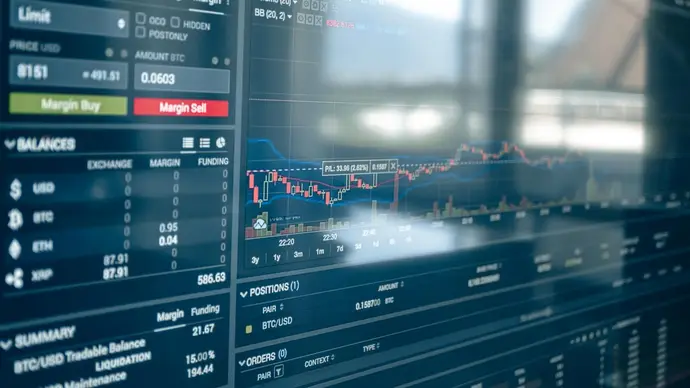

Crypto arbitrage opportunities still exist in 2026, but they look a lot less like free money than the screenshots on social media suggest. With Bitcoin trading near $76,988.90, Ethereum near $2,116.62, and the Fear & Greed Index at 25, or Extreme Fear, price gaps can open quickly when liquidity thins. The catch is that most obvious gaps disappear before a manual trader can move funds.
That does not make arbitrage useless. It means the edge has moved. The better opportunities now sit where traders can measure fees, pre-position collateral, manage exchange risk, and avoid chasing spreads that vanish after one withdrawal delay.
Crypto arbitrage opportunities start with the spread, not the headline
At its simplest, crypto arbitrage means buying an asset where it is cheaper and selling it where it is more expensive. The problem is that the visible spread is only the first number. The real trade is the spread after trading fees, withdrawal fees, slippage, funding costs, tax friction, and the time it takes to move capital.
A 0.6% Bitcoin gap between two venues may look attractive. If one side has thin order book depth, a higher taker fee, or a slow withdrawal queue, the trade can shrink to nothing. In a nervous market, it can turn negative while the trader is still waiting for confirmations.
This is why professional arbitrage traders rarely rely on a single exchange-to-exchange transfer. They keep balances on multiple venues and rebalance later. That lowers transfer delay, but it adds another risk: capital is spread across more custodians. After the failures and enforcement actions of the last cycle, that risk is not theoretical.
For readers still learning market structure, our guide to crypto trading tools explains the basic stack traders use to watch order books, volatility, and execution quality.
Compare Spreads Before You Trade
Active traders can test liquidity on Bitunix and claim up to $5,500 in new-user bonuses when eligible.
Crypto arbitrage opportunities in funding rates
The cleanest arbitrage trade for many advanced traders is no longer the classic buy-here, sell-there setup. It is funding-rate arbitrage in perpetual futures.
Perpetual futures do not expire. To keep their price close to spot, exchanges use funding payments between longs and shorts. When demand for long leverage gets crowded, longs may pay shorts. When short demand gets crowded, shorts may pay longs. A market-neutral trader can try to capture that payment by holding offsetting spot and perp positions.
For example, a trader may buy spot Bitcoin and short a Bitcoin perpetual contract when funding is strongly positive. If the hedge is sized correctly, the trader is less exposed to Bitcoin's direction and more exposed to the funding payment. That sounds neat. In practice, it still carries liquidation risk, exchange risk, borrow or margin costs, and basis risk if the perp does not track spot cleanly during a fast move.
The opportunity also changes fast. Funding can flip from attractive to flat within hours. A strategy that worked during one leverage squeeze can become dead money when volatility cools. Traders using this setup need a process for entering, monitoring, and exiting, not just a funding-rate screenshot.
Anyone trading perps should understand the mechanics first. Start with our explainer on what perpetual futures are, then compare it with our guide to Binance futures trading for risk controls and order types.
Where exchange arbitrage still works
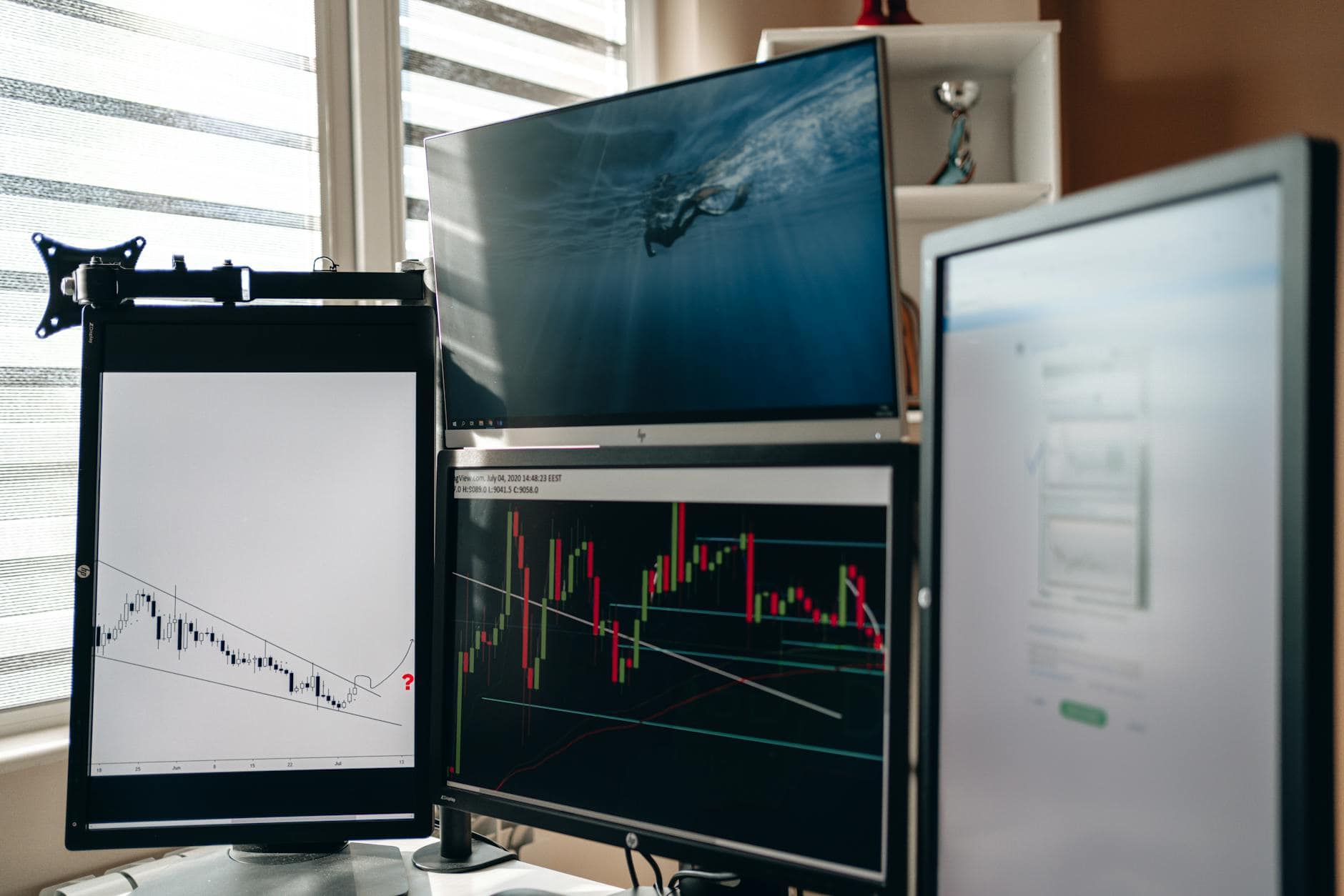
Exchange arbitrage is not gone. It is just more competitive. The best windows usually appear around fragmented liquidity, regional demand shocks, listing events, depegs, exchange maintenance, or sudden volatility after macro news.
Large-cap pairs such as BTC/USDT and ETH/USDT are harder to exploit because market makers close gaps quickly. Smaller assets can show wider spreads, but they bring lower depth and higher execution risk. A trader may be able to buy a token 2% cheaper on one venue, only to find that selling size on the other venue moves the book against them.
Triangular arbitrage inside one exchange is another route. That means exploiting mispricing across three pairs, such as BTC, ETH, and USDT, without withdrawing funds. The advantage is speed. The disadvantage is that the margins are usually tiny and bots compete for them constantly.
There are also on-chain gaps between decentralized exchanges and centralized exchanges. These can emerge when liquidity pools lag centralized order books. But gas fees, MEV, bridge delays, failed transactions, and smart contract risk can eat the spread. The trader has to price the full route, not just the token quote.
Fees, latency, and custody decide whether the trade is real
The boring details matter most. Taker fees can erase a small edge. Withdrawal fees can turn a good-looking altcoin spread into a loss. Network congestion can delay settlement. KYC or compliance reviews can freeze withdrawals at the worst time.
Latency is just as important. If a trader has to manually copy prices between tabs, the opportunity is probably already gone. Even semi-automated traders need safeguards: max slippage, position limits, venue exposure caps, and a rule for when to stop trading after API errors.
Custody risk is the part beginners discount. Arbitrage often requires capital on several exchanges. That creates operational exposure even when the trade is market-neutral. If one exchange halts withdrawals, changes margin rules, or suffers an outage, the hedge can break.
That is why arbitrage belongs closer to a trading operations business than a side hustle. The edge is not spotting a gap. The edge is knowing whether that gap survives execution.
Trade Volatility With Better Controls
Bitunix gives active traders access to spot and derivatives markets, with eligible users able to claim up to a $5,500 bonus.
A practical checklist for crypto arbitrage opportunities
Before entering an arbitrage trade, run the numbers like a desk would. Start with the gross spread, then subtract both sides of trading fees, expected slippage, withdrawal costs, funding, borrow costs, gas, and any likely delay. If the remaining edge is thin, skip it.
Then check the venue itself. Is the order book deep enough for your size? Are withdrawals normal? Has the exchange recently changed limits? Is the asset under maintenance? Are there regional restrictions that could affect your account?
Finally, decide whether the trade fits your skill level. Funding arbitrage may look lower risk than directional leverage, but it can still punish sloppy margin management. Exchange arbitrage can look simple, but it demands speed and clean operations. On-chain arbitrage can be profitable, but it is a hostile environment for anyone who does not understand gas, MEV, and smart contract approvals.
Traders who want a broader framework can pair this with our guide to crypto swing trading, which covers position sizing and trade planning in choppy markets.
Bottom line
Crypto arbitrage opportunities are real, but the easy version is mostly gone. In 2026, the trade is less about finding a price difference and more about execution, infrastructure, and risk control.
For most retail traders, the best use of arbitrage research is educational. It teaches how liquidity moves, how exchanges differ, and why fees matter. For advanced traders with automation, pre-funded accounts, and strict limits, arbitrage can still be a useful strategy. Just do not confuse a spread on a screen with profit in the account.