



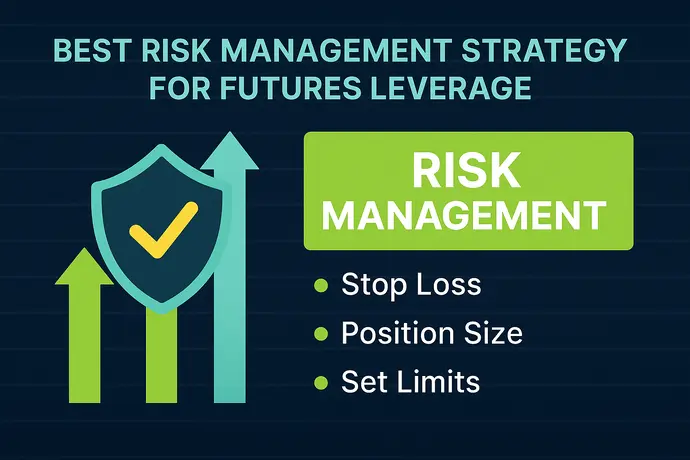
Leverage is the engine behind crypto futures trading - and risk management is the steering wheel. Without understanding both, you’re driving blind. This definitive guide covers everything from how leverage mechanics work to the exact risk management strategies that keep professional traders profitable. Whether you’re a beginner choosing your first leverage ratio or an experienced trader refining your risk protocols, this is the only guide you need.
We’ll break down leverage fundamentals, walk through position sizing and stop-loss strategies, and show you how to implement all of it on Bitunix - a platform built for controlled, disciplined futures trading.
Ready to trade futures with confidence? Sign up for Bitunix and get started with advanced risk tools today.
Part 1: How Crypto Futures Leverage Works
Before you can manage risk, you need to understand the tool you’re wielding. Leverage in crypto futures lets you control a position larger than your actual capital, amplifying both gains and losses.
Key Concepts of Futures Leverage
Understanding how crypto futures leverage works begins with a few core concepts. Here’s a quick reference:
| Term | Explanation | Example (10x Leverage) |
|---|---|---|
| Leverage | Borrowed funds to amplify position size | Control $1,000 with $100 of your own capital. |
| Margin | Your own capital used as collateral for a leveraged position. | $100 in the example above. |
| Long Position | Betting price will go up; you profit from an increase. | Buy BTC futures, profit if BTC rises. |
| Short Position | Betting price will go down; you profit from a decrease. | Sell BTC futures, profit if BTC falls. |
| Liquidation | Automatic closing of position if margin insufficient due to losses. | Your $100 collateral runs out, position closes. |
Demystifying the Mechanism: How Crypto Futures Leverage Works
At its essence, leverage in crypto futures trading allows you to control a larger financial position than the amount of capital you actually possess. It’s essentially borrowing funds from the exchange to amplify your trading power.
Let’s break down how crypto futures use works in practice:
- Collateral (Margin): When you open a leveraged position, you don’t put up the full value of the trade. Instead, you deposit a smaller amount, known as initial margin, which is acollateral for the borrowed funds. This margin is your “skin in the game.”
- Leverage Ratios: Exchanges offer various leverage ratios, such as 5x, 10x, 50x, or even 125x on platforms like Bitunix. A 10x leverage ratio means for every $1 of your own capital (margin), you can control $10 worth of the asset. So, a $1,000 position would only require $100 of your own margin.
- Position Sizing: Use directly impacts your total position sizing. With 125x use, a $100 initial margin allows you to control a $12,500 position. This means your potential profits, or losses, are calculated based on the $12,500 position, not your initial $100.
- Profit & Loss Amplification: This is where the power (and risk) truly lie. If your $12,500 position gains just 1%, you’ve made $125. Compared to your initial $100 margin, that’s a 125% return. However, if the market moves 1% against you, you’ve lost $125, which is more than your initial margin.
For a deeper look at Bitunix’s overall offerings, read our complete Bitunix Review.
Master Your Risk: Leveraging Bitunix’s Tools with How Crypto Futures Leverage Works
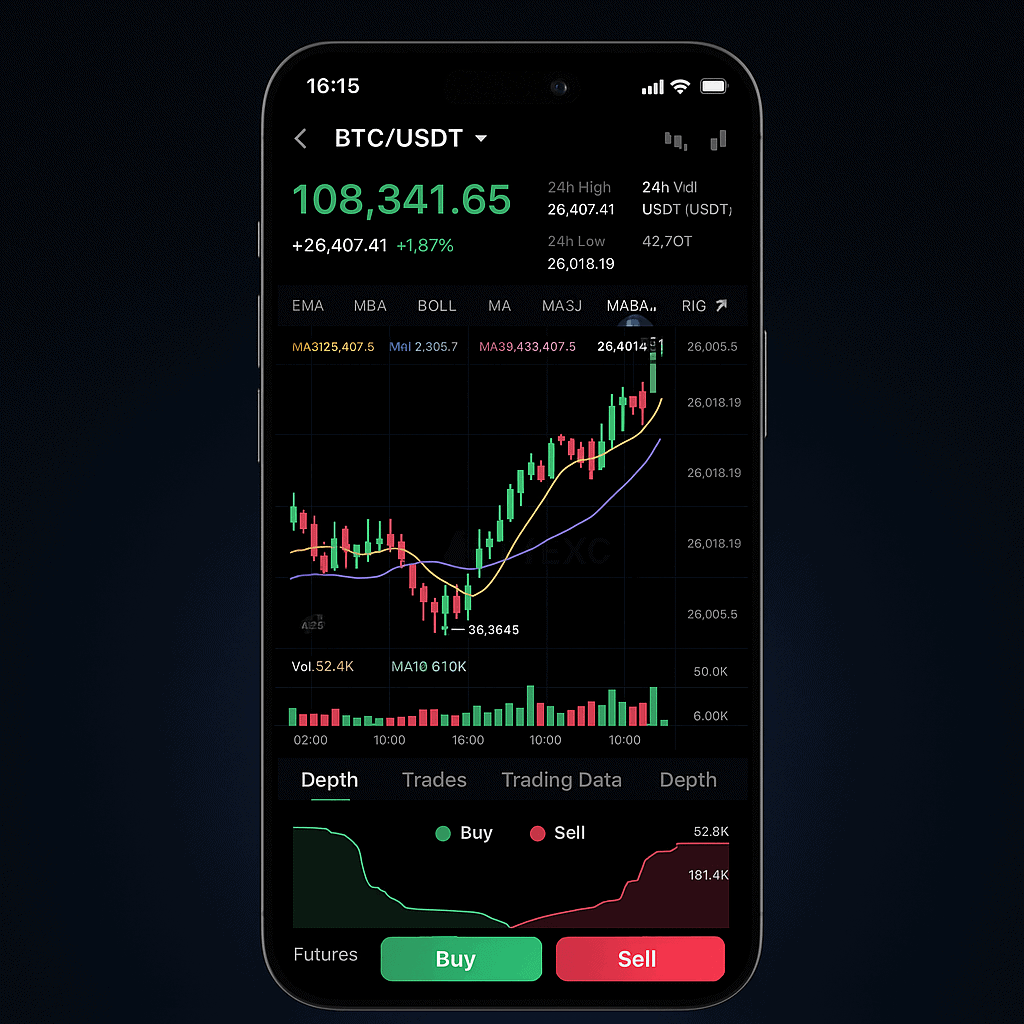
While leverage offers immense potential, neglecting its risks can be costly. Bitunix places a strong emphasis on providing essential risk management tools that help users trade more safely and effectively, especially when understanding how crypto futures use works. These features are integrated to help you handle the amplified risks of leveraged trading positions.
Key risk management tools on Bitunix include:
- Stop-Loss Orders: These are your primary defense against significant losses. Bitunix makes it easy to set a predefined price point at which your leveraged position will automatically close if the market moves against you. This automation is absolutely vital with high leverage, as even small adverse price movements can lead to rapid capital erosion.
- Take-Profit Orders: Just as important as limiting losses is securing gains. These orders allow you to set a target price. Once reached, your position will automatically close, ensuring you capture your profits even if the futures market later reverses.
- Clear Liquidation Price Monitoring: Bitunix’s interface provides a real-time indicator of your liquidation pricedirectly on your trading screen. This constant visibility allows you to proactively monitor your risk exposure and make timely adjustments to your perpetual contracts.
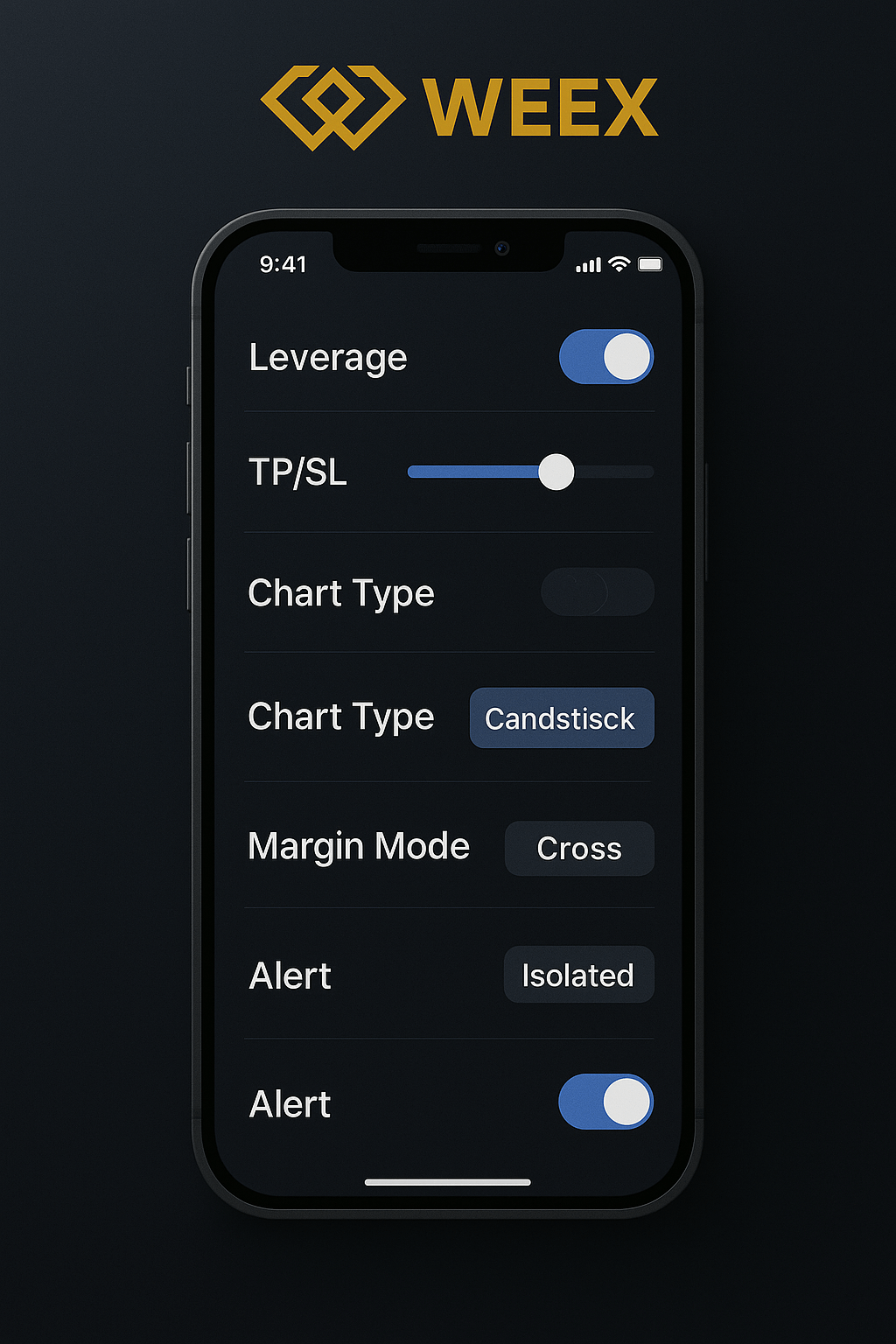
- Cross Margin vs. Isolated Margin: Bitunix clearly presents the options for Cross Margin (where your entire balance acts as collateral) and Isolated Margin (where only a specific portion of your capital is allocated to a position). Understanding these allows you to control your risk exposure more precisely.
- Copy Trading: For those new to applying use, Bitunix’s Copy Trading feature can be invaluable. By mirroring the trades of experienced professionals, you can benefit from expert strategies that often incorporate solid risk management, providing a guided entry into amplified trading exposure.
For more complete information on managing risk in leveraged trading, resources like Investopedia: What Is Leveraged Investing? offer valuable insights. Security is critical when dealing with use; find out Is Bitunix Safe?
Part 2: Core Risk Management Strategy
Now that you understand how leverage works mechanically, let’s build the defense system that keeps you profitable. These are the pillars every futures trader must master.
Core Pillars of Futures Leverage Risk Management
Implementing the best risk management strategy for futures leverage relies on these fundamental pillars:
| Pillar | Description | Example Tool/Concept |
|---|---|---|
| Position Sizing | Determining appropriate trade size based on risk tolerance. | 1-2% Rule of Capital Risk |
| Stop-Loss Orders | Automating loss limitation at a predefined price. | Automated Exit Points |
| Liquidation Awareness | Understanding and monitoring your liquidation price. | Real-time Margin Calls |
| Margin Mode Choice | Selecting Cross vs. Isolated Margin strategically. | Confined vs. Pooled Risk |
| Emotional Discipline | Adhering to your plan, avoiding impulsive decisions. | Sticking to Your Trading Plan |
Export to Sheets
Why the Best Risk Management Strategy for Futures Use is Your Top Priority
In futures, especially with use, every decision is amplified. Use magnifies both gains and losses equally. This means that while a small positive price movement can lead to substantial profits, an equally small adverse movement can result in significant capital erosion. Without the best risk management strategy for futures use, a single bad trade can quickly wipe out your entire account.
Capital preservation is the ultimate goal for any successful trader. You cannot profit if you have no capital left to trade. A solid risk management strategy isn’t just about minimizing losses; it’s about staying in the game, preserving your ability to capitalize on future opportunities. It transforms trading from a high-stakes gamble into a calculated endeavor. It replaces impulsive reactions with a systematic approach, build discipline and reducing emotional trading errors. For a closer look at the mechanics of use, understand How Crypto Futures Use Works. A full overview of a leading platform like Bitunix can be found in our Bitunix Review.

Key Pillars: Crafting the Best Risk Management Strategy for Futures Leverage
Building the best risk management strategy for futures leverage involves combining several core principles into a cohesive plan. Each pillar plays a vital role in protecting your capital and ensuring longevity in the market.
These key pillars include:
- Position Sizing: This is arguably the most critical aspect. It involves determining the appropriate amount of capital to allocate to any single trade based on your overall account size and risk tolerance. A common rule of thumb is the 1-2% rule, meaning you never risk more than 1-2% of your total trading capital on any single trade. Calculating your optimal position size involves considering your capital, the asset’s volatility, and your stop-loss level.
- Stop-Loss Orders: These are the fundamental tools for limiting downside. A stop-loss order automatically closes your position once the asset reaches a predefined price, preventing further losses. Setting a stop-loss is non-negotiable for leveraged futures trading, providing an automated exit strategy.
- Take-Profit Orders: Just as important as limiting losses is locking in gains. A take-profit order automatically closes your position once the asset reaches a predefined profit target. This ensures you secure your profits and aren’t caught off guard by sudden market reversals.
- Understanding Liquidation: With leverage, knowing your liquidation price is critical. This is the price at which your position will be automatically closed if your margin falls too low. A good strategy involves constantly monitoring this price and ensuring you have sufficient margin to avoid premature liquidation.
- Margin Modes: The choice between Cross use vs isolated use is a strategic decision that directly impacts risk. Isolated margin confines risk to a specific amount per trade, making it easier to manage individual positions. Cross margin uses your entire wallet balance as collateral, offering more flexibility but exposing more capital to risk.
For a detailed comparison of margin types, refer to our guide on Cross Use vs Isolated Use.
📈 Ready to build a disciplined approach to futures use? Explore Bitunix’s intuitive tools designed for smart risk management today!
Implementing the Best Risk Management Strategy for Futures Use with Bitunix
Having a theoretical understanding of the best risk management strategy for futures use is one thing; effectively implementing it on a trading platform is another. This is where Bitunix truly shines, offering an environment that seamlessly enable the practical application of these important strategies.
Here’s how Here’s what Bitunix gives you:
- Intuitive UI for Stop-Loss/Take-Profit: Bitunix provides an exceptionally user-friendly interface for setting your stop-loss and take-profit orders. These important tools can be set directly when you open a trade, or easily adjusted afterward, ensuring your defensive measures are always in place.
- Real-time Liquidation Price Display: The Bitunix platform offers constant, real-time visibility of your liquidation price. This transparency allows you to monitor your risk exposure at a glance, enabling quick adjustments to your position or margin if necessary.
- Flexible Margin Mode Selection: Bitunix makes it simple to choose between Cross margin and Isolated marginmodes for your trades. Their clear interface helps you understand the implications of each, and in many cases, allows you to switch between modes, providing the flexibility needed for various trading strategies.
- Fast & Streamlined Onboarding: Getting started on Bitunix is designed for speed and convenience. The quick registration process allows for fast access to the platform’s features, meaning you can begin practicing and implementing these risk management strategies without unnecessary delays.
- Copy Trading: Bitunix’s Copy Trading feature offers a unique way to learn risk management. By observing and mirroring the trades of successful professional traders, you can gain insights into how experts apply stop-losses, manage position sizes, and handle liquidation risk in real-time.
For additional insights into trading strategies and tools, reputable financial education resources like Investopedia are invaluable. Concerned about overall safety when trading on Bitunix? Discover Is Bitunix Safe?
Lucas Tran’s Expert Opinion: My Pillars for the Best Risk Management Strategy for Futures Leverage
This piece features insights from Lucas Tran, a Cryptocurrency Researcher and Market Analyst with over 7 years of hands-on experience in crypto trading, DeFi ecosystems, and early-stage exchange platforms. As the lead researcher at CryptoPulseHQ, Lucas specializes in uncovering high-potential tools across altcoin markets, launchpads, and privacy-first trading platforms. Since entering the space in 2016, Lucas has helped thousands of readers navigate the volatile world of digital assets with clear, actionable guidance. He’s contributed to portfolio strategy workshops, trading research, and technical tutorials across multiple global platforms. At CryptoPulseHQ, his mission is simple: help everyday traders make smarter, safer, and faster decisions, even in the most unpredictable market cycles.
As someone who’s navigated the volatile world of crypto futures for years, I’ve learned that the best risk management strategy for futures leverage isn’t a secret formula; it’s a disciplined combination of readily available tools and a clear mindset. My personal approach heavily relies on strict position sizing and consistently using stop-loss orders on every single trade.
Bitunix’s platform makes implementing these non-negotiable strategies incredibly intuitive. The clear UI for setting stop-losses and the transparent display of liquidation prices let me focus on my analysis, knowing my downside is managed. This platform truly enable a disciplined approach to leveraged trading, allowing me to execute my best risk management strategy for futures leverage with confidence.
Beyond Risk Management: Bitunix’s Full Trading Ecosystem
While mastering the best risk management strategy for futures leverage is critical, Bitunix offers a full suite of features that enhance your overall futures trading experience. This extends beyond just risk tools, making it a solid partner for your trading journey.
Key aspects of Bitunix’s full trading ecosystem include:
- Low Trading Fees: Bitunix boasts highly competitive futures fees (0.02% maker / 0.06% taker). These low rates are a significant advantage, as they minimize trading costs, which is important when implementing frequent stop-losses/take-profits on Bitunix to manage your risk effectively.
- Diverse Trading Pairs: With over 700+ diverse trading pairs available, Bitunix offers ample opportunities for diversified risk and strategy application. This allows you to spread your capital across various assets, further refining your overall risk management strategy for futures leverage.
- 24/7 Customer Support: Reliable and swift assistance is critical, especially when dealing with complex leveraged positions or needing help with risk settings. Bitunix ensures that support is always just a click away.
- Reliable Performance: The platform is engineered for stability and speed. This reliability ensures that your critical risk management orders, like stop-losses, are executed precisely when needed, preventing unexpected losses.
For a broader view of top exchanges, see the Best Crypto Exchanges in 2026.
dig into into specific features of amplified trading in our guide to High Leverage Crypto Futures.

The Verdict: Implement the Best Risk Management Strategy for Futures Leverage with Bitunix
For individuals engaged in the dynamic world of crypto futures, implementing the best risk management strategy for futures leverage is not an option; it’s a necessity for sustainable success. Bitunix stands out as an exemplary platform that provides the strong tools and user-friendly interface required to execute these strategies effectively.
It masterfully blends the excitement of significant leverage (up to 125x) with a suite of essential risk management toolslike precise stop-loss/take-profit orders, real-time liquidation awareness, and flexible margin modes. This combination ensures that traders, from beginners to seasoned veterans, can explore amplified trading opportunities responsibly and with greater peace of mind. Bitunix helps you manage your risk, safeguard your capital, and build a disciplined approach to the markets.
Frequently Asked Questions
- What is the single best risk management strategy for futures leverage? There isn’t one single strategy; it’s a combination. However, consistent position sizing (e.g., 1-2% risk per trade) and disciplined use of Stop-Loss orders are arguably the most fundamental pillars of the best risk management strategy for futures leverage.
- How does position sizing contribute to the best risk management strategy for futures leverage? Position sizing directly controls your maximum loss per trade. By risking only a small percentage of your total capital, you ensure that no single losing trade can significantly deplete your account, which is important for the best risk management strategy for futures leverage.
- Can Bitunix help me automatically manage risk? Yes, Bitunix provides automated risk management tools like Stop-Loss and Take-Profit orders, which execute automatically when your predefined price levels are hit, helping to manage risk without constant manual oversight.
- Is it possible to lose more than my margin in futures leverage? While exchanges typically aim to liquidate you before your balance goes negative, in extremely volatile markets or with sudden price gaps, it is technically possible to incur losses exceeding your initial margin, though many platforms (like Bitunix with its insurance fund) have mechanisms to mitigate this.
- What role does emotional discipline play in the best risk management strategy for futures leverage?Emotional discipline is vital. Without it, even the best strategy can fail. It means sticking to your trading plan, respecting your stop-losses, and avoiding impulsive decisions driven by fear or greed, which are often the undoing of a solid risk management strategy.
CryptoPulseHQ is a crypto-focused publication built by professional traders, for traders. With over 6 years of experience in the crypto space, our mission is to simplify exchanges, tools, and strategy, so you can trade smarter and stay one step ahead.
We publish daily guides, comparison blogs, and step-by-step tutorials to help you navigate the fast-moving world of crypto with clarity and confidence.
This guide was written by a cryptocurrency researcher with extensive experience in altcoin platforms, decentralized trading tools, and global exchange analysis. Our goal is to help users trade securely and responsibly through transparent education. -
**Disclaimer:** This content is for informational purposes only and does not constitute financial, investment, or legal advice. Always review the laws in your country before using any cryptocurrency platform. Trading involves risk, and past performance is not a guarantee of future results. Some of the links on this site are affiliate links, which means we may earn a commission if you click through and make a purchase, at no additional cost to you.